

Opening Statements: Storytelling
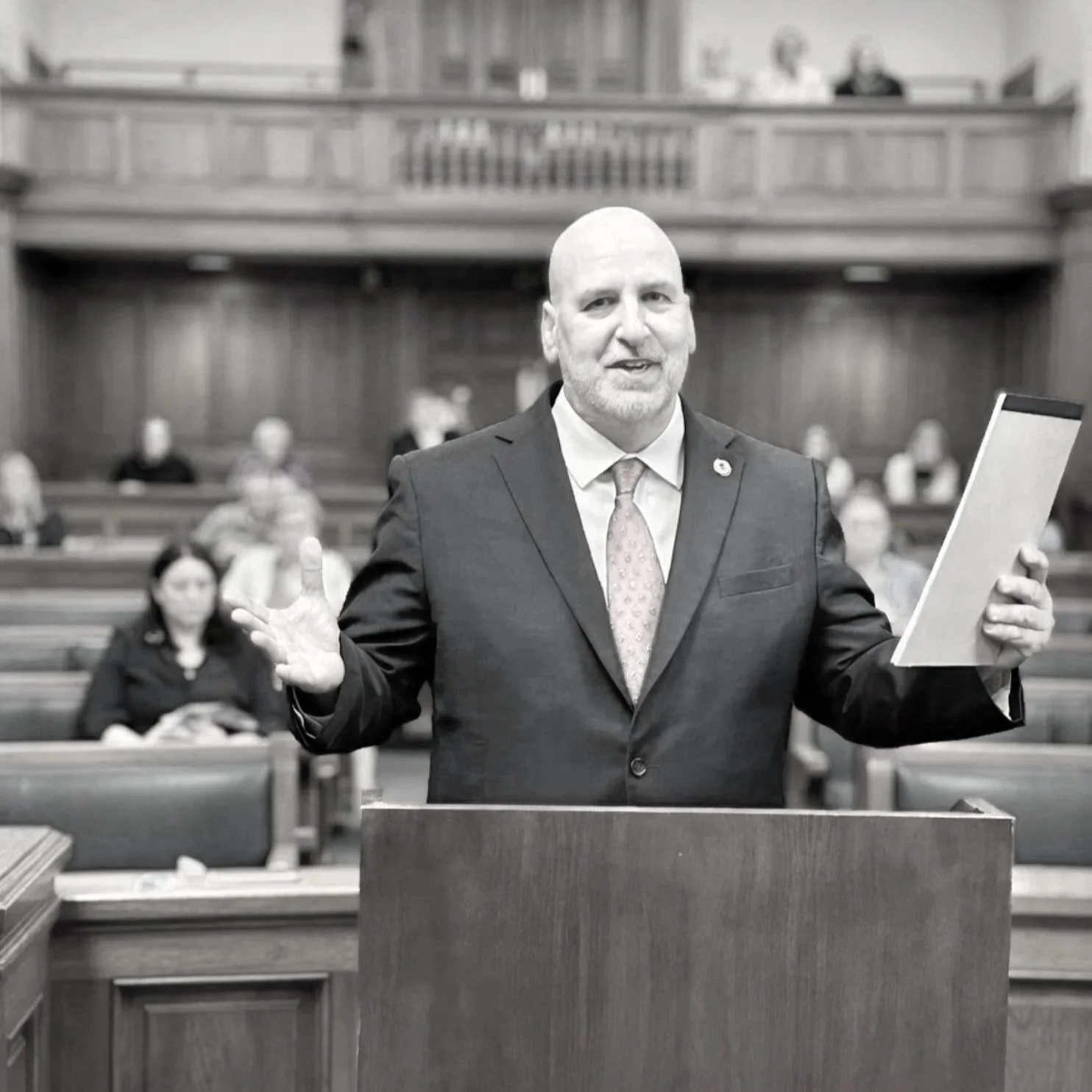
Opening Statements = Storytelling
As a federal and military prosecutor for 30 years, I learned the importance of storytelling in the very beginning of opening statements in trial.
Here is an example:
“The defendant committed a shocking murder of controlled savagery on a desolate street in the middle of a chilly April night – stabbing her husband over 125 times and nearly severing his head in a calculated and deliberate surprise attack.”
Got your attention?
The missing art of storytelling. Opening statements are the place to find that primal human art form.
That’s how you start an opening statement. With the story.
Not: “Ladies and gentlemen of the jury, I want to thank you for your service.”
Or: “My name is X and I represent Y”
Or: “This is a case about ___”
Or: “We will present evidence that will show…”
The murder I described in the opening paragraph was committed by a woman whose defense was that she was a battered spouse who snapped and completely lost control.
I had to prove premeditation in a vicious and bloody attack by a much smaller woman against her husband.
Notice the words I chose: “Controlled.” “Deliberate.” “Calculated.”
In active voice.
Those words are hallmarks of the elements of the offense I had to prove as well as repudiations of the opponent’s case. They are nestled snugly into the story. I asserted my theme without calling it a theme. I undermined the defense without referencing the defense. I seized the initiative with an action packed, attention-grabbing story of what happened that night, not with a clinical legal exercise.
I wove more facts into the account of the events that night via the story without once saying “we expect the evidence will show.” (That phrase is often encouraged in trial advocacy classes, but it is a useless talisman with no power. Just tell ‘em what the evidence will show without saying stuff like that).
“We will call X as a witness who will testify that Y happened.” No. Stop it. Just say what X will say as part of the story.
“The blood evidence at the scene contributes to our understanding of what happened that night” is better than, “We will call Dr. No, a blood spatter expert, who will explain blah blah blah.”
All of that was just part of the story, not mechanical and methodical “lawyer-speak.”
We can’t argue in opening statements but we darn sure can begin persuading. Grabbing the jury with a compelling story right from the start will have them locked in on you and your case.
What other evidence did I knit into the story of that horrible night from eyewitnesses, experts, and law enforcement?
Slashed tire with no blood in it, suggesting she did so right before the attack to prevent him from leaving.
Giant pools of blood in the gutter next to his truck, which suggested that she had slit his throat from behind while he was bending down to inspect the tire.
Physical separation between them after that first attack in which she says to him while he was stumbling and falling on the ground, “get up; nobody is gonna help you.”
His attempted escape by trying to run away from her and her deliberate and controlled walking stride to chase him and push him down from behind.
Her straddling him in the street and stabbing him in the head over 25x — breaking off the tip of the knife blade in his skull, then sawing his neck and gutting his stomach.
His effort to roll away and her hand on his shoulder rolling him back.
When finished, she rose to stand, looked both ways, and jogged to her apartment where she put bloody clothes in the washing machine and hid other evidence before going to hide herself.
The detective who interviewed her at the police station and told a story within the story about her behavior during the interview and how the cameras captured her actions as a calculating predator in complete control of her emotions.
The unforgettable video in the interview room which showed her hysterically crying and then rocking back and forth and singing “I’m a Little Teapot” … that is, until the detective left the room and left his notebook behind. When he left the room, she immediately stopped crying, reached across the table and slid his notebook in front of her, and licked her fingers to turn the pages of the book. Spine chilling. When she arrived at the page of his notes containing an eyewitness description of the attacker, she reached into her hair and changed her hairstyle before sliding the book back across the table before the detective returned with Kleenex for her.
This story … is as riveting as it gets. And it was the story I had to tell in my opening statement. Trials can be a great source of stories and a great inspiration even for fictional works. Trials are — at the end of the day — utterly human in nature. The human condition on display in the same way stories we read describe it. Anger. Lust. Greed. Selfishness. Triumph. Heroism. Kindness. Devotion. Betrayal. All of these and more.
Diving into the story for a jury at the very beginning immerses them in the world you make for them.
For more trial advocacy strategies and tips, contact us!
